
An Accident in our Backyard
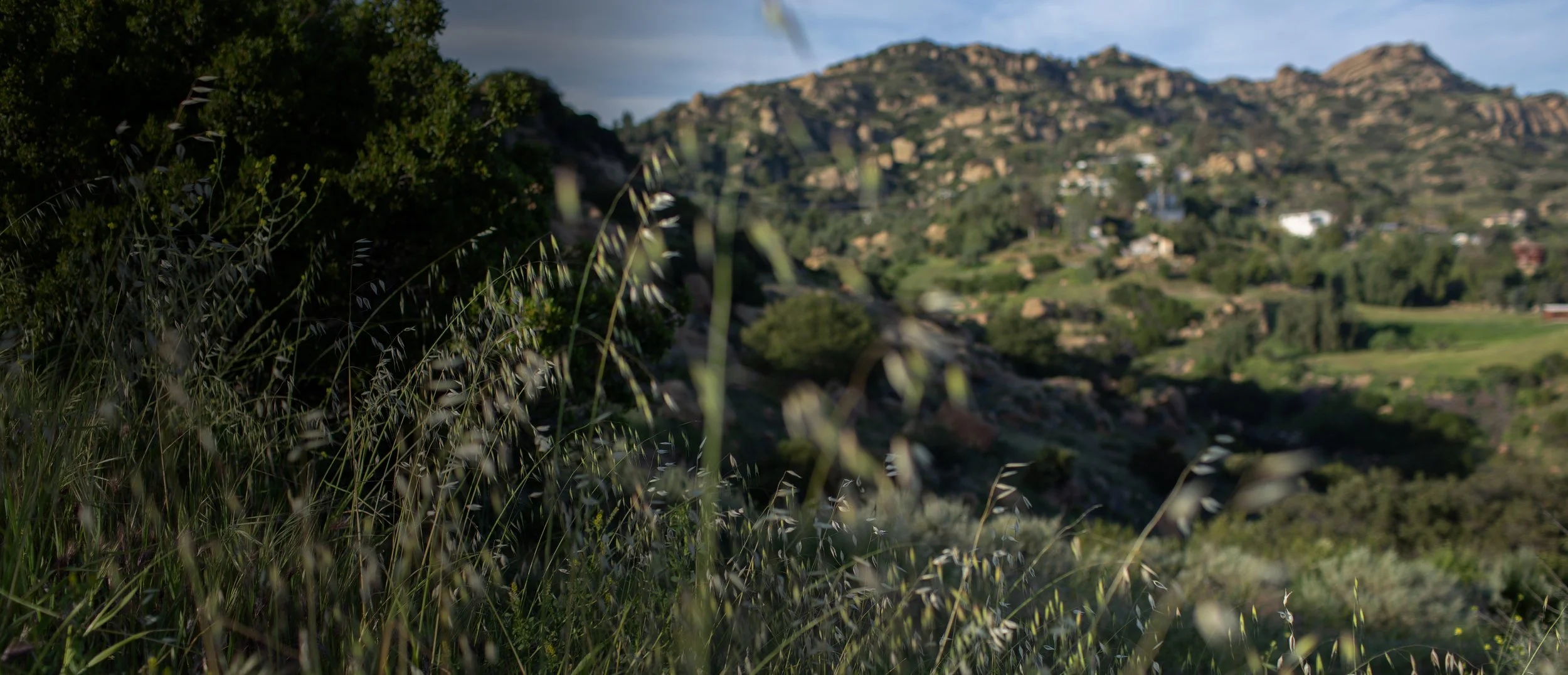
In 1959, a nuclear accident happened at the Santa Susana Field Laboratory when an experimental reactor called the Sodium Reactor Experiment overheated because it wasn’t cooling properly. About one-third of the reactor’s fuel melted in what’s known as a partial meltdown. There was no explosion, but radioactive gases were released into the air over several days. At the time, the public was not fully informed, and details were limited. The accident was said to be much smaller than later disasters like Chernobyl, but we now see communities affected by the radiation exposure with long-term environmental contamination.
After Boeing acquired much of the Santa Susana Field Laboratory property in the 1990s,
attention shifted to contamination from decades of rocket engine testing and industrial work. Investigations found polluted soil and groundwater containing chemicals such as solvents, heavy metals, and residual radioactive materials from earlier operations. Some environmental groups feel Boeing has yet to fulfill its promise to clean up the area to the standard that was promised.
Parents Against
Santa Susana Field Lab
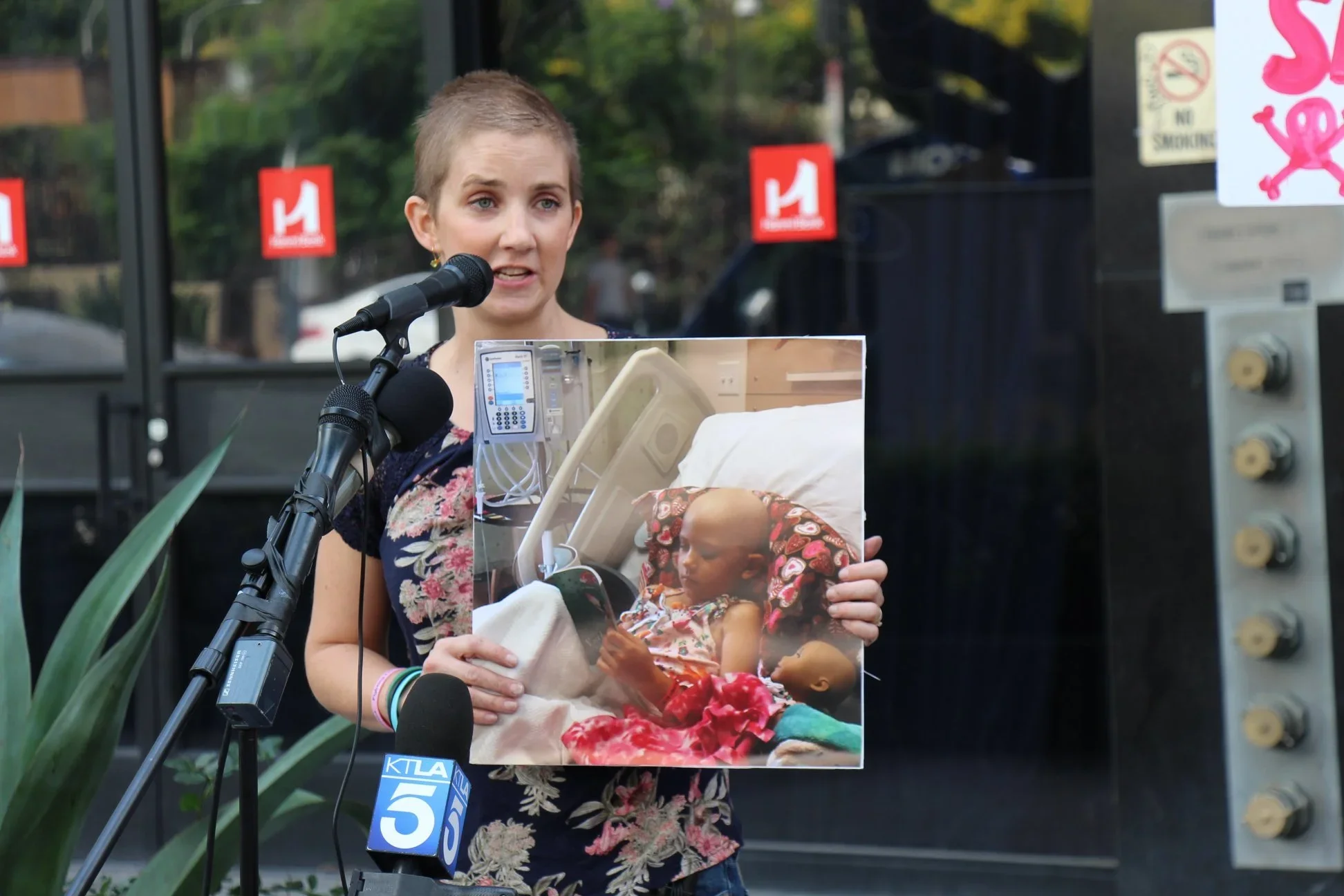
Parents Against Santa Susana Field Lab is a group of parents and concerned community members
who work to hold the responsible parties, elected officials, DTSC, and CalEPA accountable for a complete and protective cleanup. They translate complex scientific information into accurate, accessible, and engaging public education through graphics, social media, art, and other creative tools.
They educate, organize, and empower communities affected by SSFL contamination, protect watersheds,and monitor air pollution to reduce ongoing exposure risks. PASSFL also works to safeguard other communities from the mismanagement of toxic and radioactive waste, collaborates with NGOs and coalitions to drive lasting reform within regulatory agencies, supports communities facing similar contamination worldwide, and advocates for renewable energy solutions to prevent future nuclear harm.
Aerospace +
Nuclear Pollution
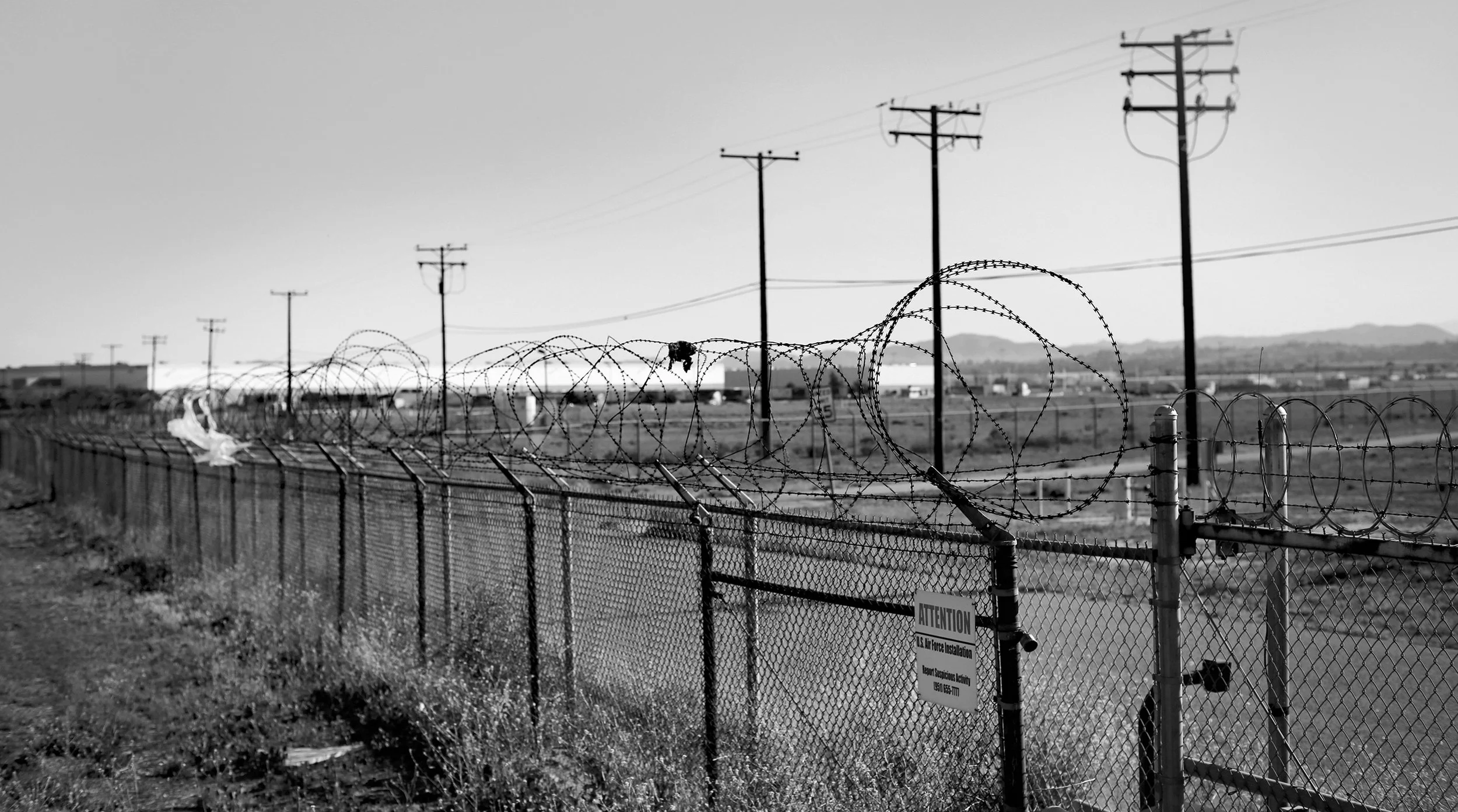
Southern California's aerospace and nuclear industries have left lasting legacies of pollution, contaminating groundwater, soil, and air with toxic chemicals and radioactive materials. These environmental burdens have fallen disproportionately on working-class communities and communities of color, revealing how military expansion and technological development have produced enduring forms of environmental injustice.
Atomic Dragons
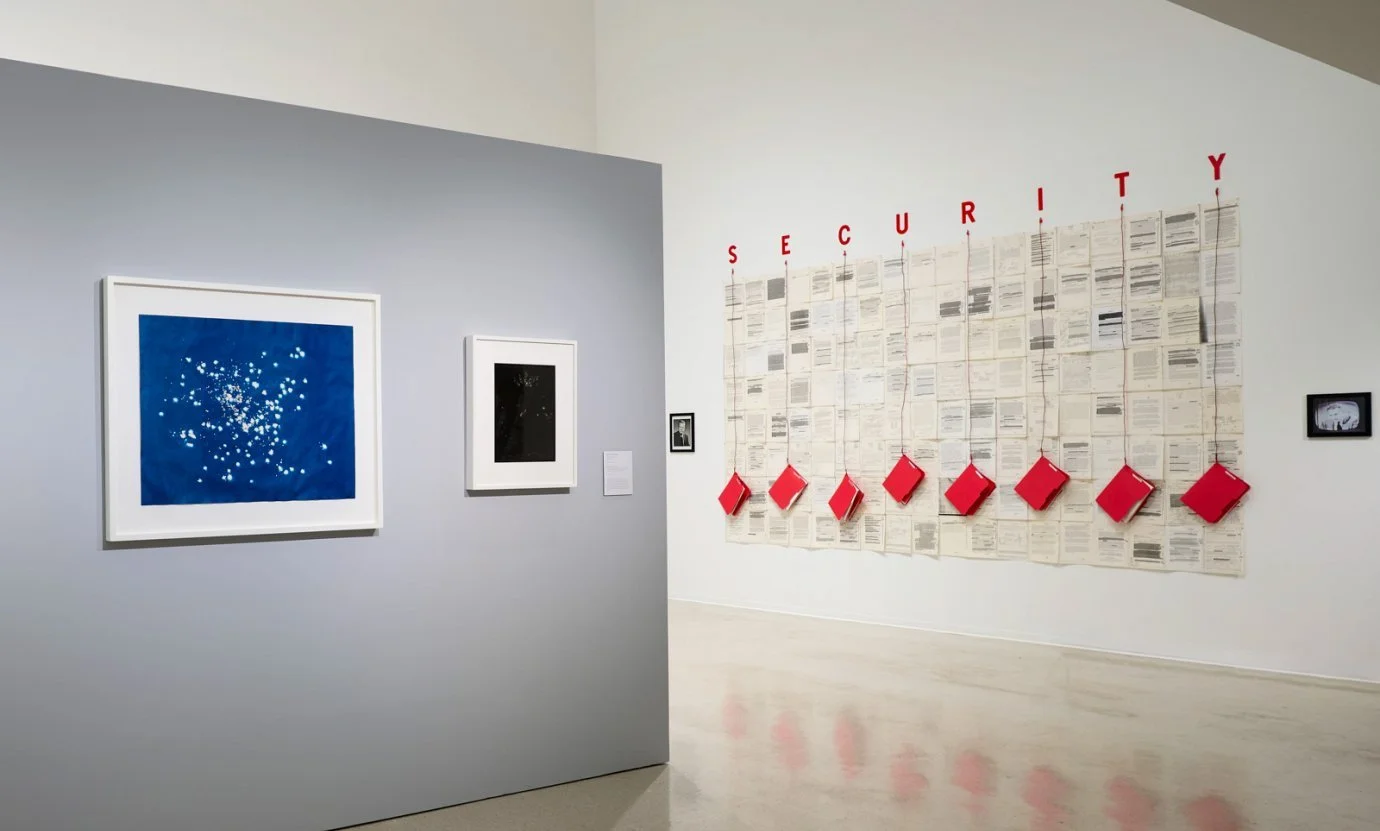
The first use of atomic bombs in war—at Hiroshima and Nagasaki—unleashed an intense thermal flash that incinerated everything combustible within one to two miles of the blast sites. Mushroom clouds rose high into the atmosphere, visible from more than 100 miles away. Yet the legacy of those detonations—along with decades of nuclear weapons testing—extends far beyond these immediate catastrophic effects. That enduring impact is the focus of Atomic Dragons, a group exhibition by the intergenerational artist collective SWANS (Slow War Against the Nuclear State) presented by Pitzer College Art Galleries. Presented in the college’s Nichols and Lenzner Galleries,the exhibition featured work by Fiona Amundsen, Nancy Buchanan, Judith Dancoff, Hillary Mushkin, Sheila Pinkel, elin o’Hara slavick, and Lucy HG Solomon of Cesar & Lois, her collaboration with Cesar Baio.
During the semester of the exhibit, the Pitzer Gallery staff worked with our Socially Engaged Photo class on cross curricular collaborations to feature a special symposium along with a 5c screening of In the Dark of the Valley.