
PASSFL Fight Against Weakening
Cleanup Agreements
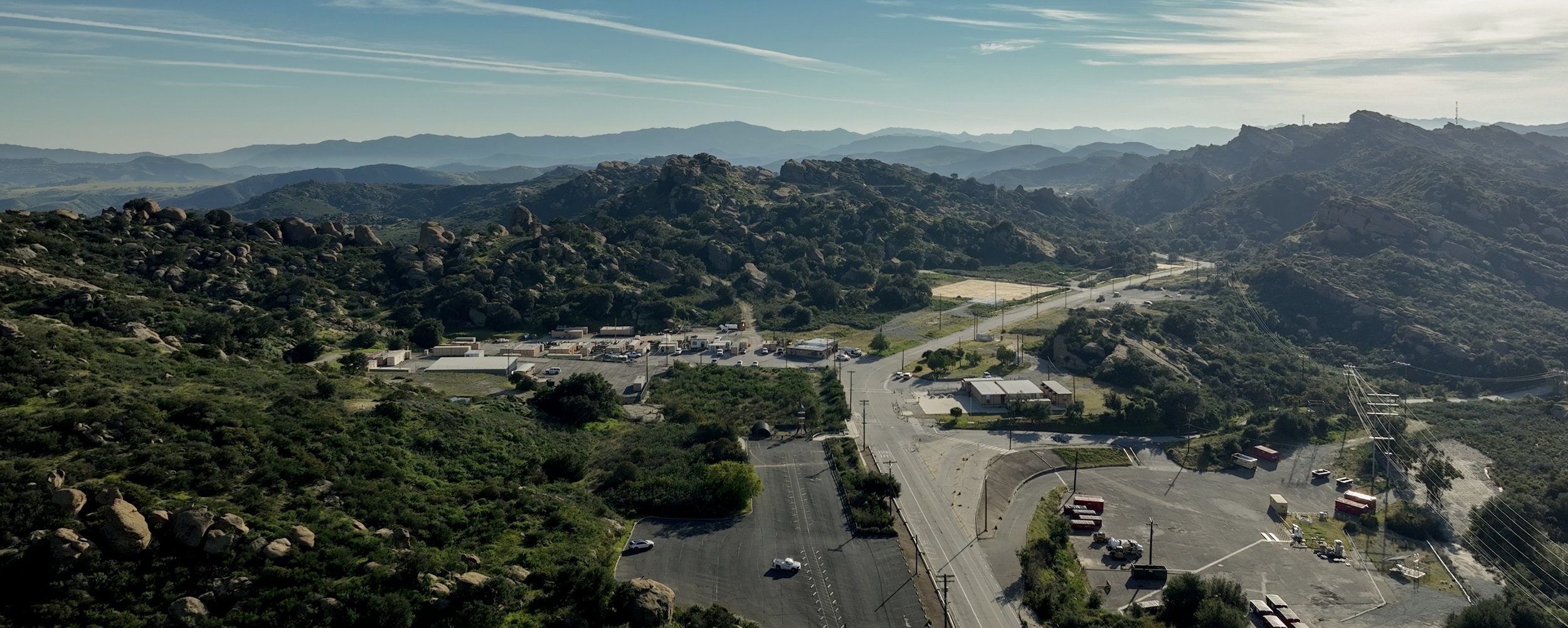
On October 2006, California legislators, responding to community calls for independent health studies in the wake of revelations about the site, established the Santa Susana Field Laboratory Advisory Panel. The panel consisted of independent experts from around the country (and one from Britain) and community representatives. It was a project of the Tides Center, funded by the US Department
of Energy and later by the California Environmental Protection Agency (as mandated by the California State Legislature). The panel concluded that based on available data and computer models, contamination at the facility resulted in an estimated 260
cancer-related deaths.
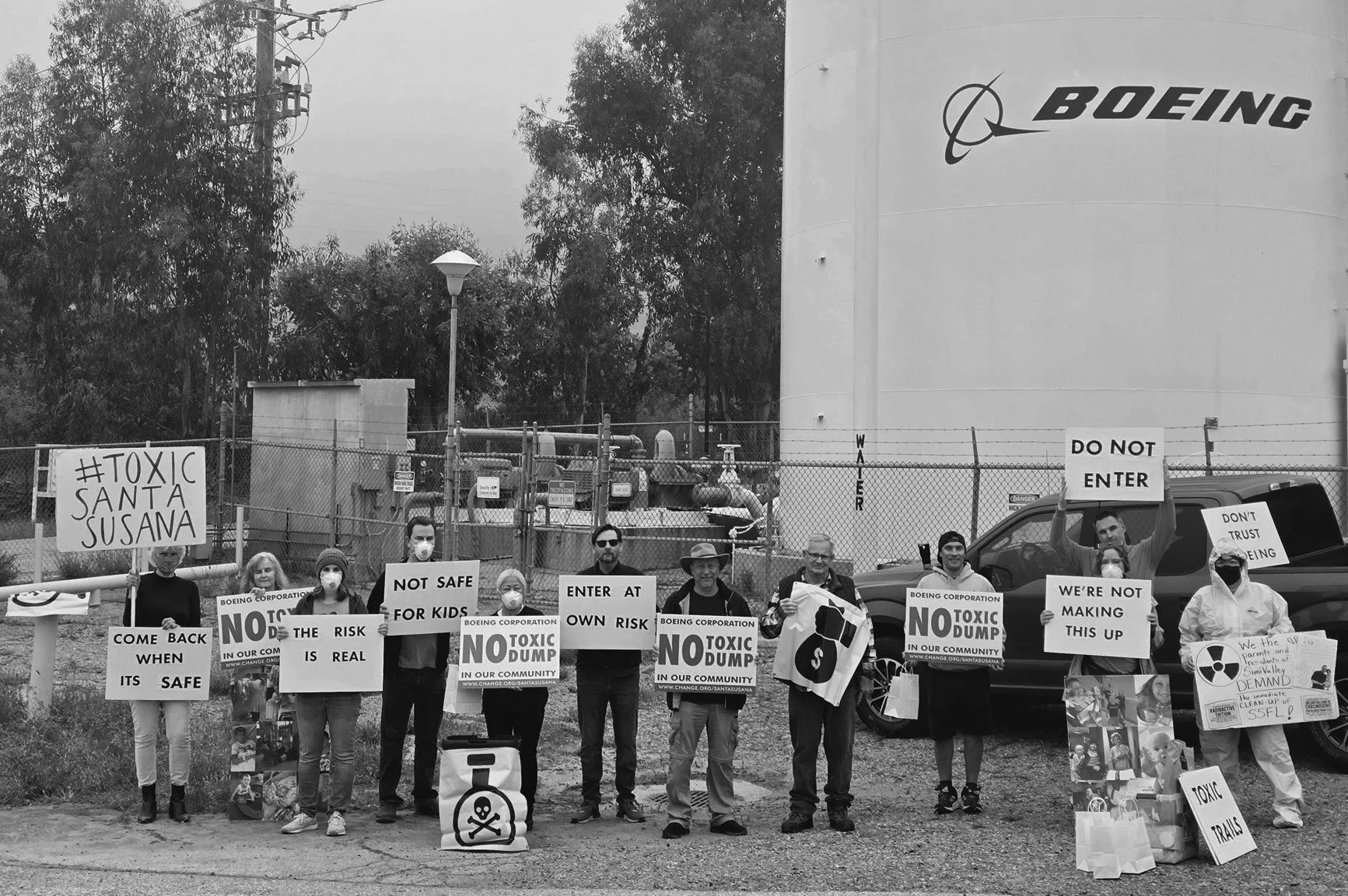
A Ventura County Superior Court judge ruled Jan. 8, 2026 in favor of the California Department of Toxic Substances Control and Boeing, rejecting a lawsuit brought by community and environmental groups (including PASSFL) challenging a cleanup agreement at the Santa Susana Field Laboratory. Under the agreement, Boeing will be allowed to leave between 90% to 95% of the contaminants untouched on the site.
Environmental Guardrails Slashed
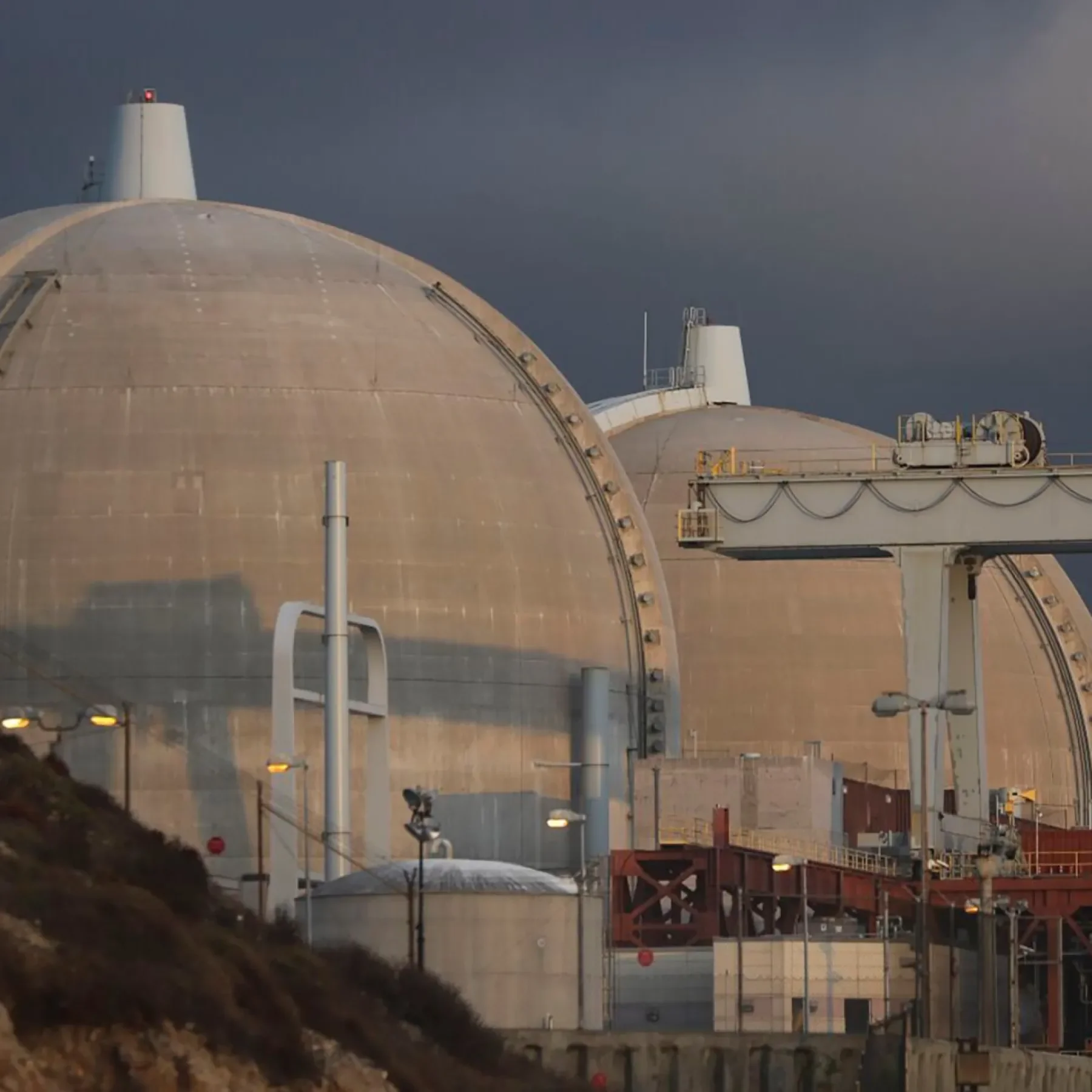
In May 2025, Trump signed four executive orders aimed at reviving the nuclear energy industry. The US Department of Energy quickly began stripping away regulations designed to reduce the amount of radiation exposure workers can face at its national laboratories, cleanup sites, and energy infrastructure.
The Nuclear Regulatory Commission, which licenses and regulates commercial reactors and related infrastructure, is following suit. In response to another executive order that required it undergo “wholesale revision of its regulations and guidance,” the agency recently announced that it’s considering easing long-held standards that limit workers’ and the public’s exposure to radioactivity.
The orders slash hundreds of pages of requirements for security at the reactors. They also loosen protections for groundwater and the environment and eliminate at least one key safety role. The new orders cut back on requirements for keeping records, and they raise the amount of radiation a worker can be exposed to before an official accident investigation is triggered.
Nuclear Plants Reopened to Power Big Tech

Amazon: Led a $500M investment in X-energy and secured over 5 gigawatts (GW)
of nuclear power, including data center campuses directly linked to existing Pennsylvania nuclear facilities.
Google: Partnered to restart mothballed plants (e.g., Duane Arnold in Iowa) and
is pioneering advanced Small Modular Reactors (SMRs) with Kairos Power.
Meta: Issued requests for proposals (RFPs) targeting 1-4 GW of new nuclear generation and inked 20-year contracts for plants in Ohio and Pennsylvania,
alongside partnerships with Oklo and TerraPower.
Microsoft: Signed a 20-year agreement to restart Unit 1 of the Three Mile Island
plant to fuel its U.S. data centers.
Polluted Sites in the United States
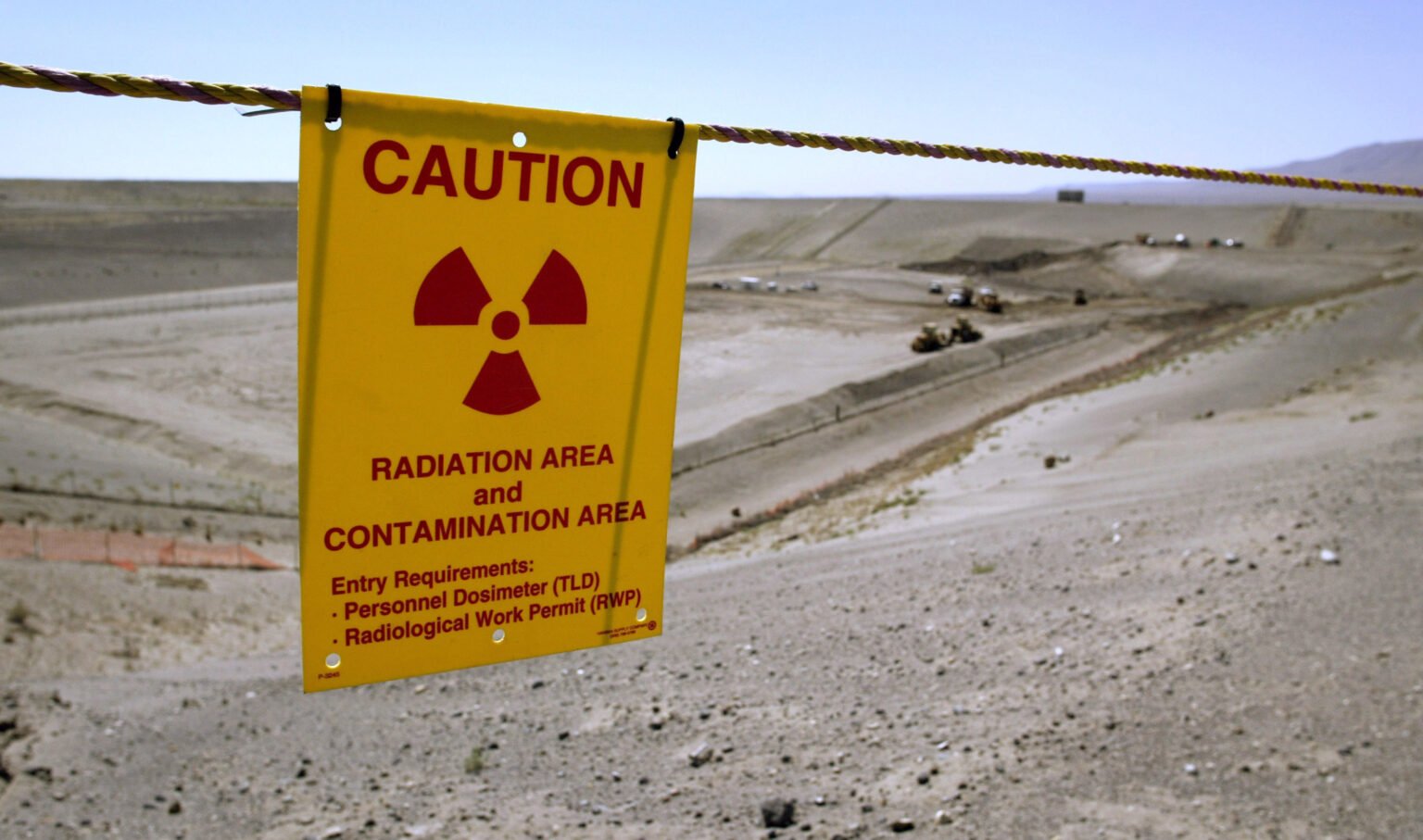
Hanford (Benton County, Washington): Established in 1943 to produce plutonium for the bomb dropped on Nagasaki. It holds over 56 million gallons of high-level radioactive waste stored in 177 aging underground tanks. Dozens of these tanks have leaked, contaminating local soil and threatening the nearby Columbia River.
Savannah River Site (Aiken, South Carolina): Built during the 1950s to refine materials for nuclear weapons. It contains tens of millions of gallons of liquid radioactive waste housed in underground tanks, along with several deactivated production reactors that left extensive groundwater contamination.
Nevada National Security Site / Proving Grounds (Nye County, Nevada): The epicentral location for U.S. nuclear weapon testing. The U.S. government detonated 1,021 nuclear tests (both atmospheric and underground) here between 1951 and 1992, leaving pockets of the desert severely irradiated and permanently altering regional geology.
Rocky Flats Plant (Jefferson County, Colorado): A former manufacturing plant near Denver that produced plutonium triggers ("pits") for nuclear warheads. Decades of industrial fires, leaks, and improper waste storage contaminated the surrounding soil with plutonium, leading to a massive FBI raid and federal shutdown in 1989.
Church Rock Uranium Mill (McKinley County, New Mexico): The site of the largest single release of radioactive material in U.S. history. In July 1979, a tailings dam breached, sending over 1,100 tons of uranium waste and 94 million gallons of acidic, radioactive wastewater into the Puerco River, heavily impacting the Navajo Nation.
West Lake Landfill (St. Louis County, Missouri): An open-air municipal landfill where 43,000 tons of radioactive wastes from Manhattan Project uranium processing were illegally dumped and mixed with urban trash in the 1970s. It is managed as an active EPA Superfund site due to its proximity to populated residential zones.