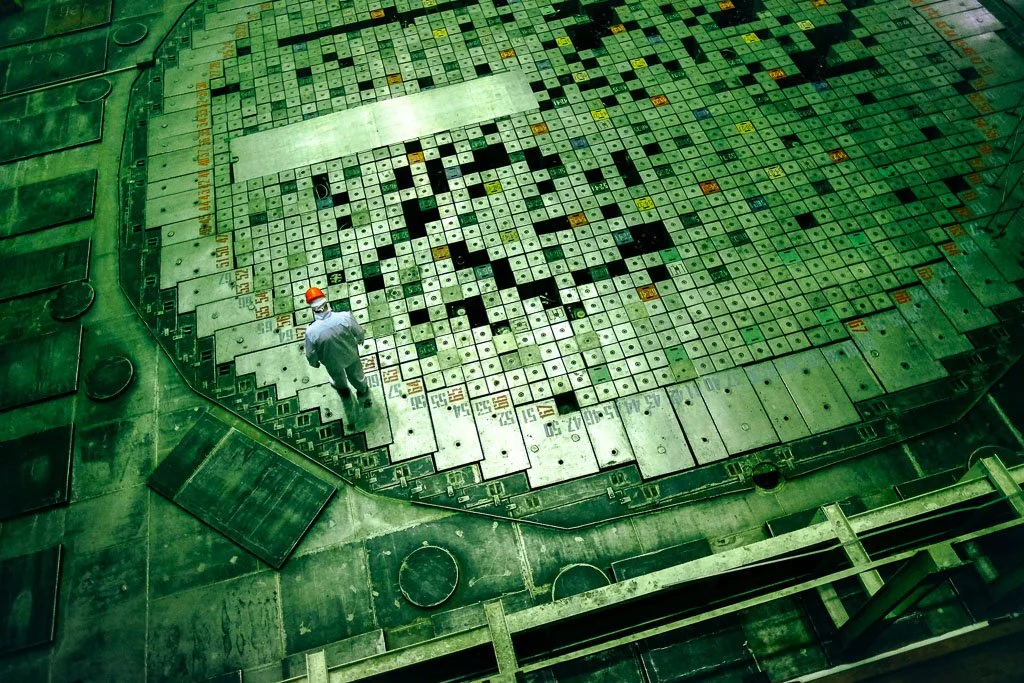
Date: April 26, 1986
Cause: Reactor design flaws + operator error
Severity: INES Level 7 (maximum)
Long-term effects: large exclusion zone, cancers,
environmental contamination
Chernobyl | Ukraine
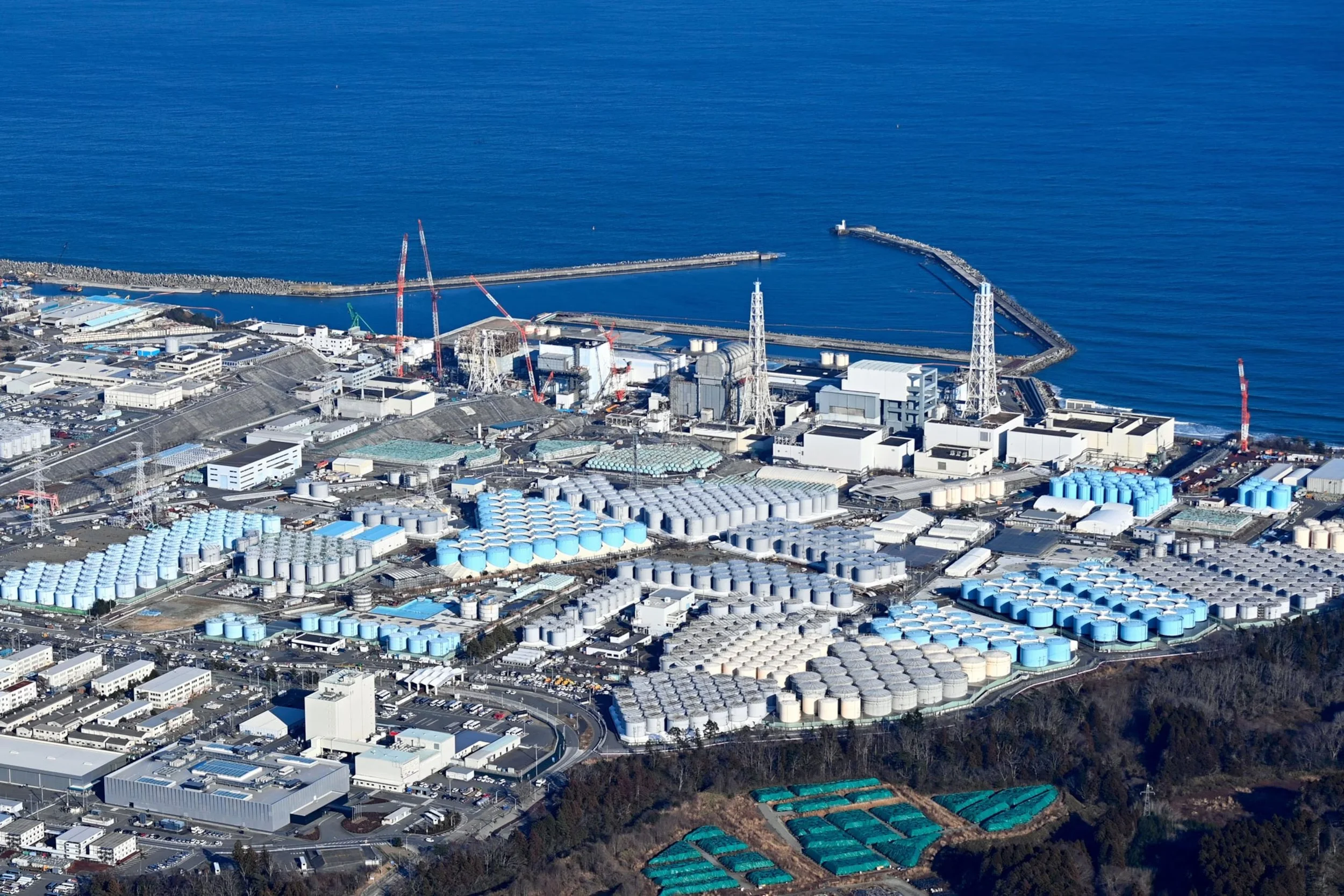
Date: March 11, 2011
Cause: Earthquake + tsunami flooding
backup generatorsSeverity: INES Level 7
Largest nuclear disaster since Chernobyl
Fukushima Disaster | Japan
Date: September 29, 1957
Cause: Explosion in radioactive
waste storageSeverity: INES Level 6
Kept secret by the Soviet government
for decades
Kyshtym Disaster | Soviet Union
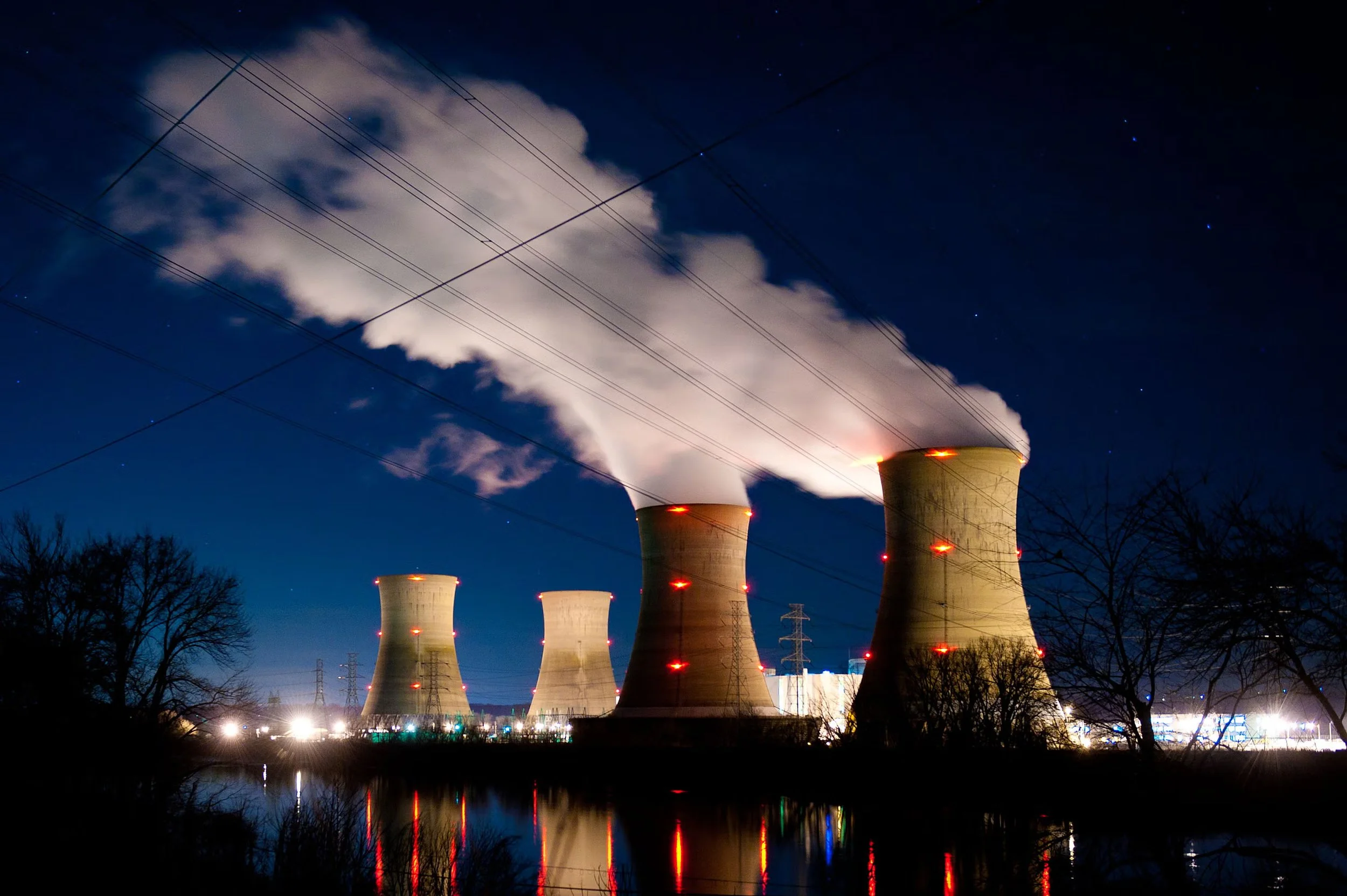
Date: March 28, 1979
Cause: Equipment failures + operator confusion
Severity: INES Level 5
Led to major reforms in U.S. nuclear safety regulations
Three Mile Disaster | USA
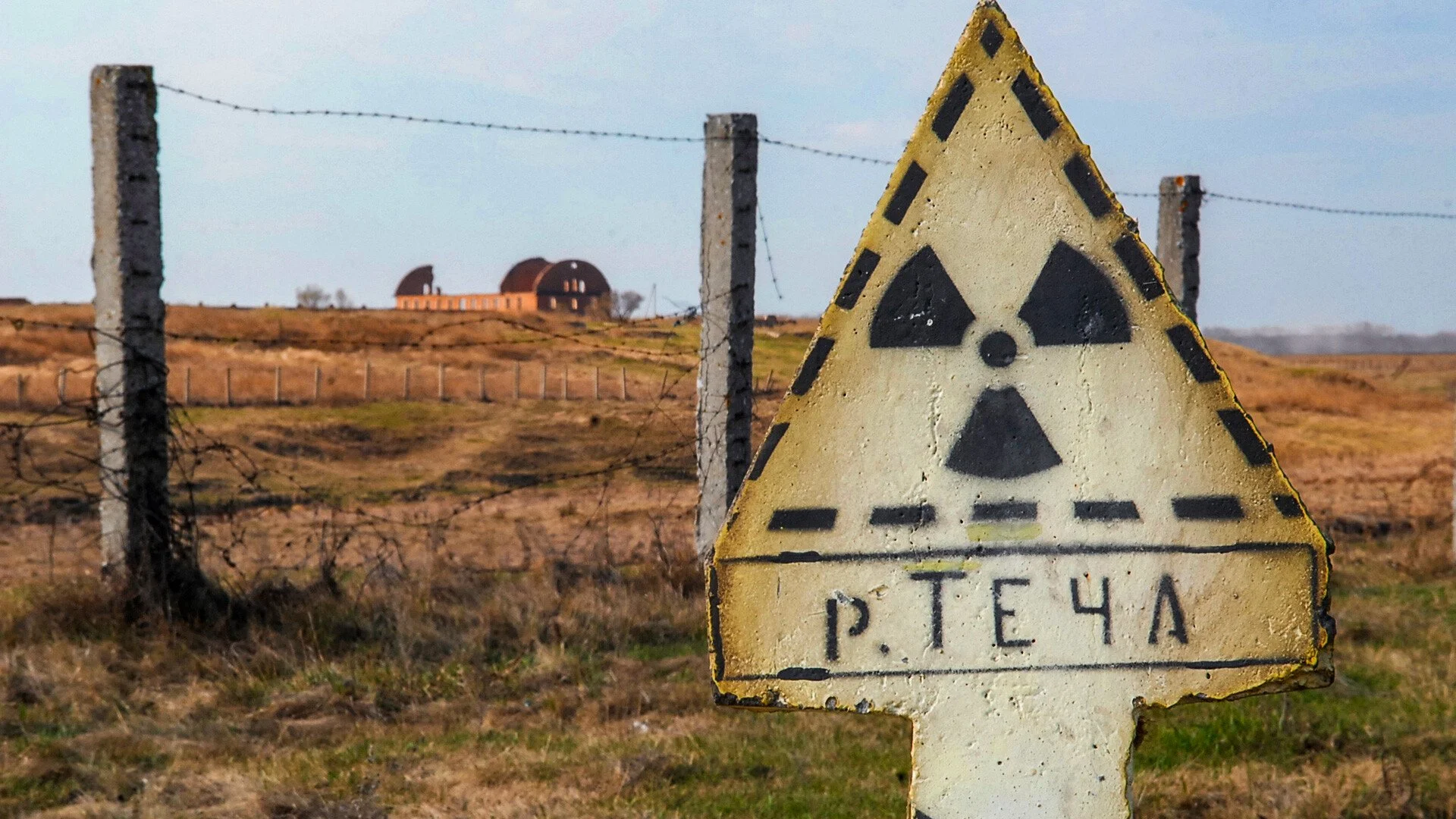
Date: 1987
Cause: Improper disposal of medical radioactive material
Severity: INES Level 5
Hundreds contaminated; several deaths
Goiânia Accident | Brazil
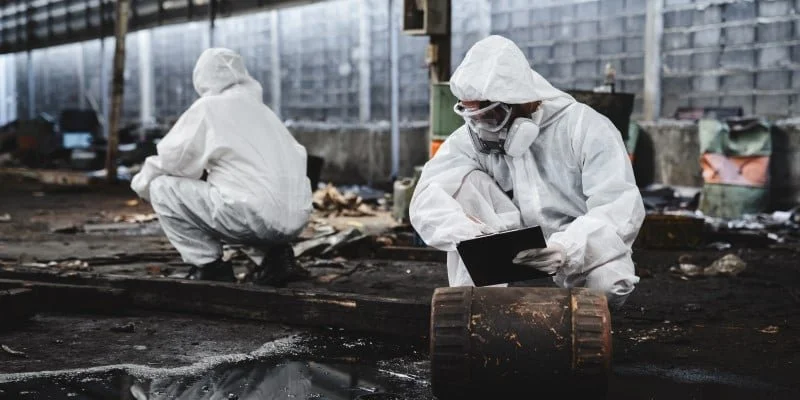
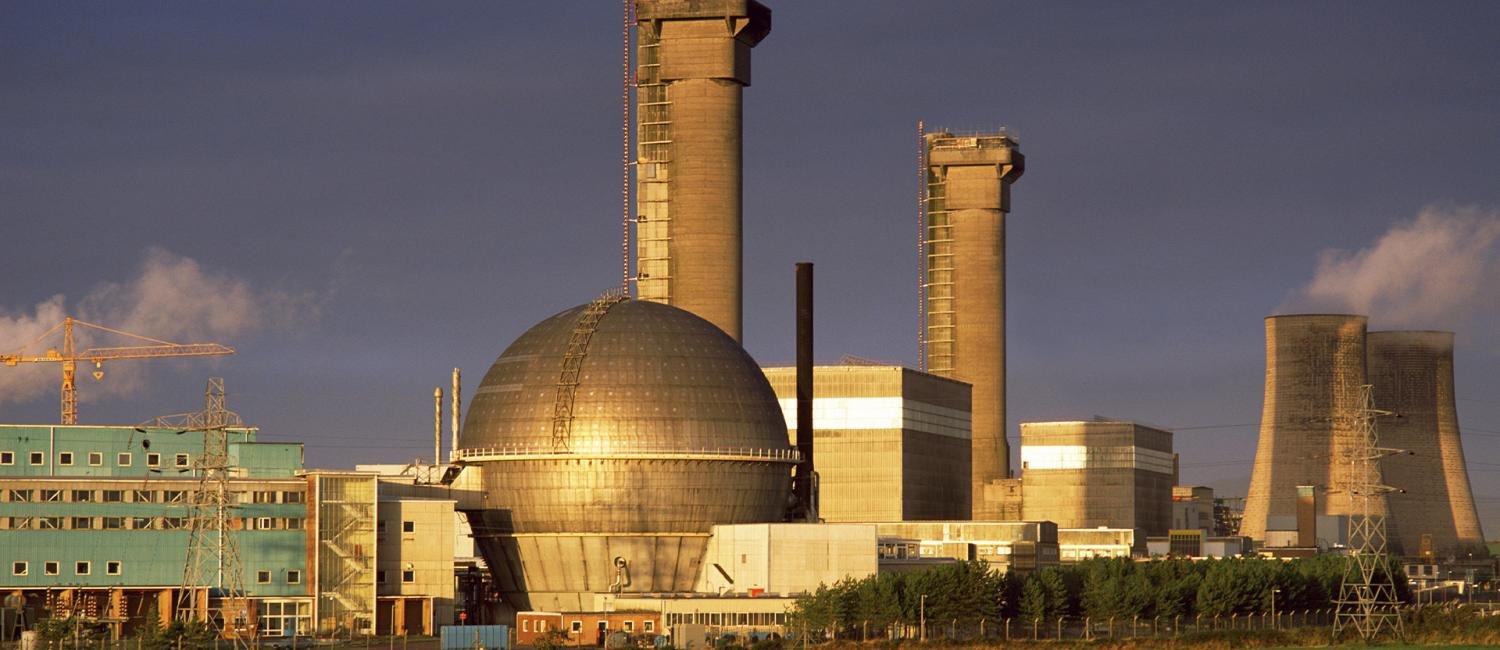
Date: October 1957
Cause: Reactor overheating during weapons production
Severity: INES Level 5
Windscale Fire | United Kingdom
Often described as a massive, largely forgotten incident. Some reports indicate
the 1959 accident released significantly more radiation—potentially 260 times
more—than the Three Mile Island accident, which was a Level 5 event.
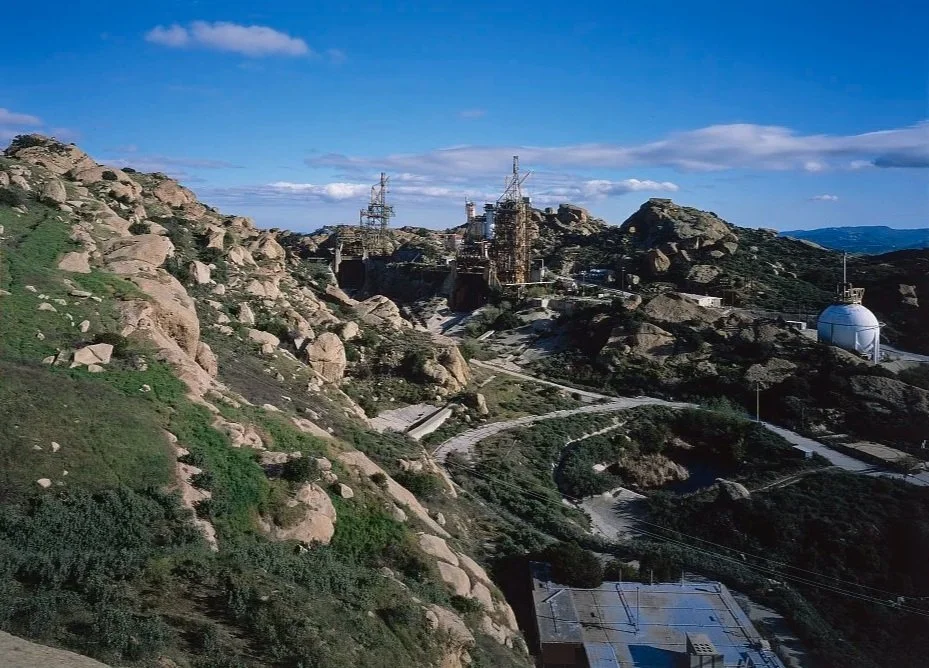
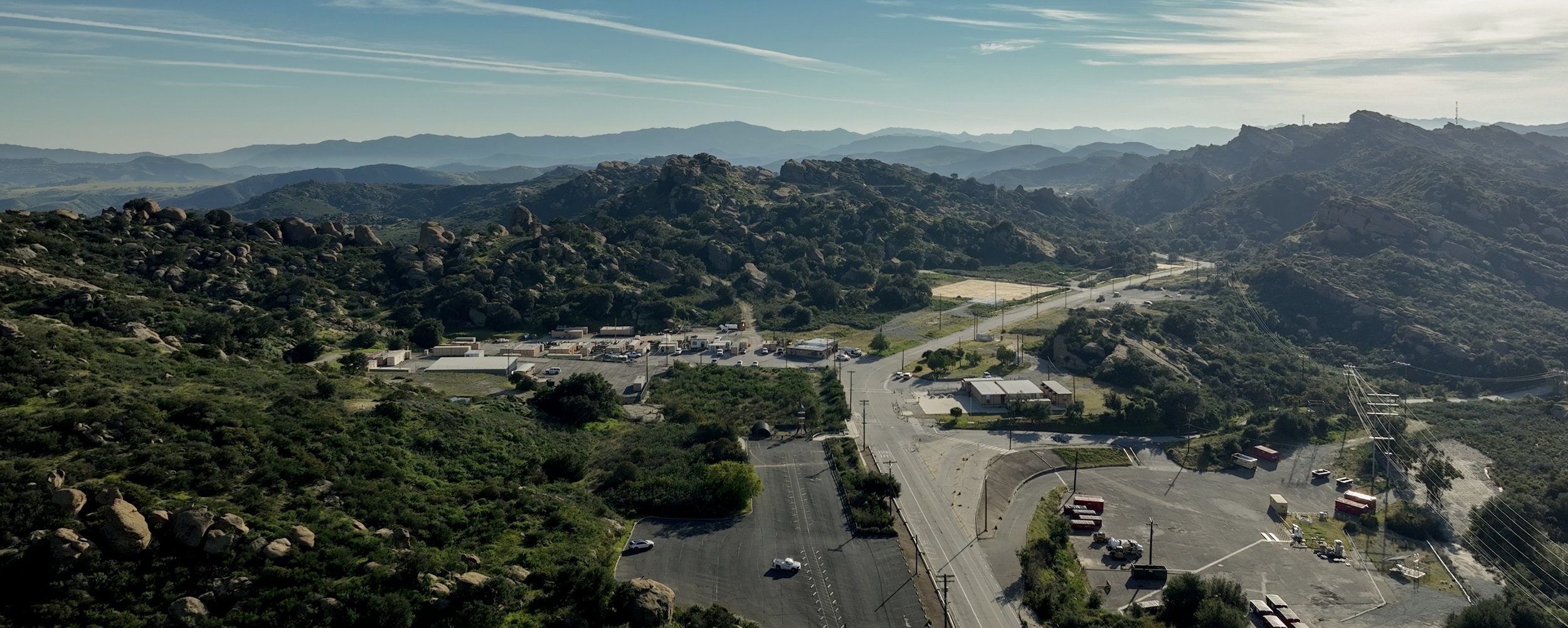
The 1959 partial nuclear meltdown at the Santa Susana Field Laboratory (SSFL)
did not receive an official International Nuclear Event Scale (INES) level, as the
scale was developed later. However, experts and reports often compare its
impact to higher-level incidents, noting it released significant radioactive noble gases (krypton-85 and xenon-133) from the Sodium Reactor Experiment
Sodium Reactor Experiment Accident | USA