

What is Nuclear Energy?
Nuclear power is a growing energy industry worldwide, most commonly produced by power plants. Globally, there are about 440 nuclear power plants in operation today. Since the first nuclear power plant opened, there have been almost 100 recorded incidents and accidents at power plants globally, resulting in injuries and deaths. However, the total number and what is classified as a nuclear “accident” is still heavily debated, leading to unclear numbers. It is also interesting to note that various official websites about these major nuclear accidents have had studies conducted that have allegedly found no connection or correlation between human health and the high radiation levels found at and in the areas surrounding the accidents.
Nuclear accidents are rated on something called the International Nuclear Event Scale. This scale was created to help the public better understand nuclear and radiological events that occur. It is on a scale of 7, with 7 being the worst. Levels 1 through 3 are considered an “incident,” while levels 4 through 7 are considered an “accident.”
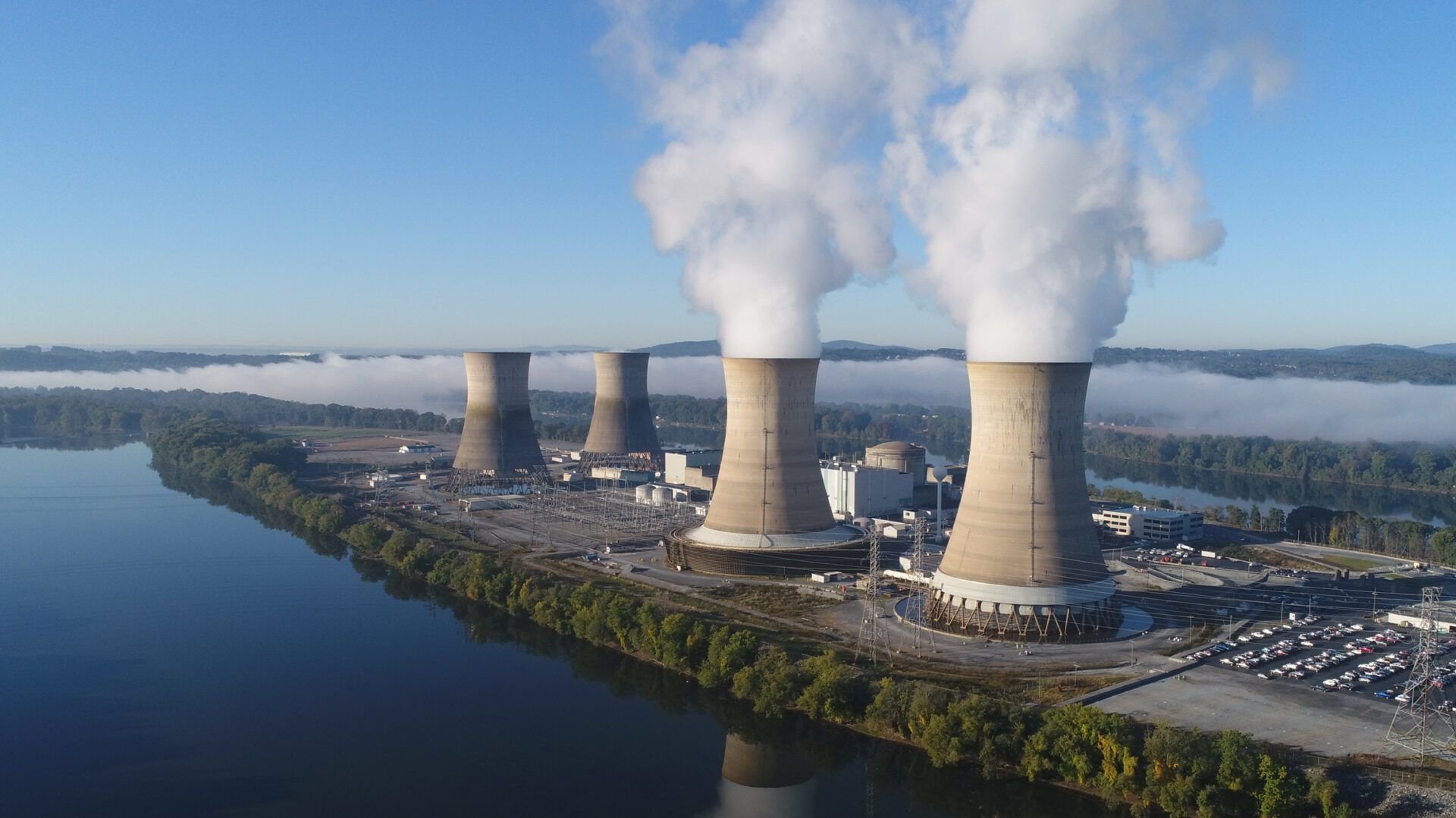
Nuclear Pollution in the United States
-
The first nuclear reactor wasn’t built until 1942, and since then humanity has been trying to figure out how to properly run its nuclear industry. In fact there were no laws stopping countries from dumping their nuclear waste and spent fuel into the environment until 1972.
But what we have struggled with even more than regulating nuclear waste dumping is how to run nuclear plants safely. This is important because nuclear power’s very existence risks a potential nuclear disaster that could devastate human health and the environment.
-
Nuclear Waste Disposal
One such point is during the disposal of nuclear waste. When fuel becomes no longer usable, nuclear power plants must dispose of the spent nuclear fuel. The spent fuel can have a half life of up to four billion years, meaning that it will remain radioactive for four billion years.
Nuclear Powerplant MeltdownsOne of the most catastrophic scenarios of nuclear pollution is nuclear meltdowns at nuclear power plants. There have only been a handful of these incidents at nuclear power plants throughout history, but the effects have been catastrophic. These incidents occur when the high levels of radioactivity get exposed to the outside world, effectively shutting down the plant and causing widespread, long term effects on the environment and human health.
-
Decontamination and Site Remediation
Encourage the federal government to isolate, stabilize, and remove radioactive contaminants from soil, buildings, and water to return land to safe public or industrial use.Decommissioning
When a nuclear facility reaches the end of its 40- to 60-year lifespan, operators must safely dismantle the plant, decontaminate systems, and remove radioactive components to restore the surrounding land.Soil and Groundwater Cleanup
Sites affected by historic uranium mining or imperfect waste disposal require targeted environmental remediation, such as pumping and treating contaminated groundwater, stabilizing soil tailings, and applying soil washing techniques to extract radioactive isotopes.