An Accident in our Backyard
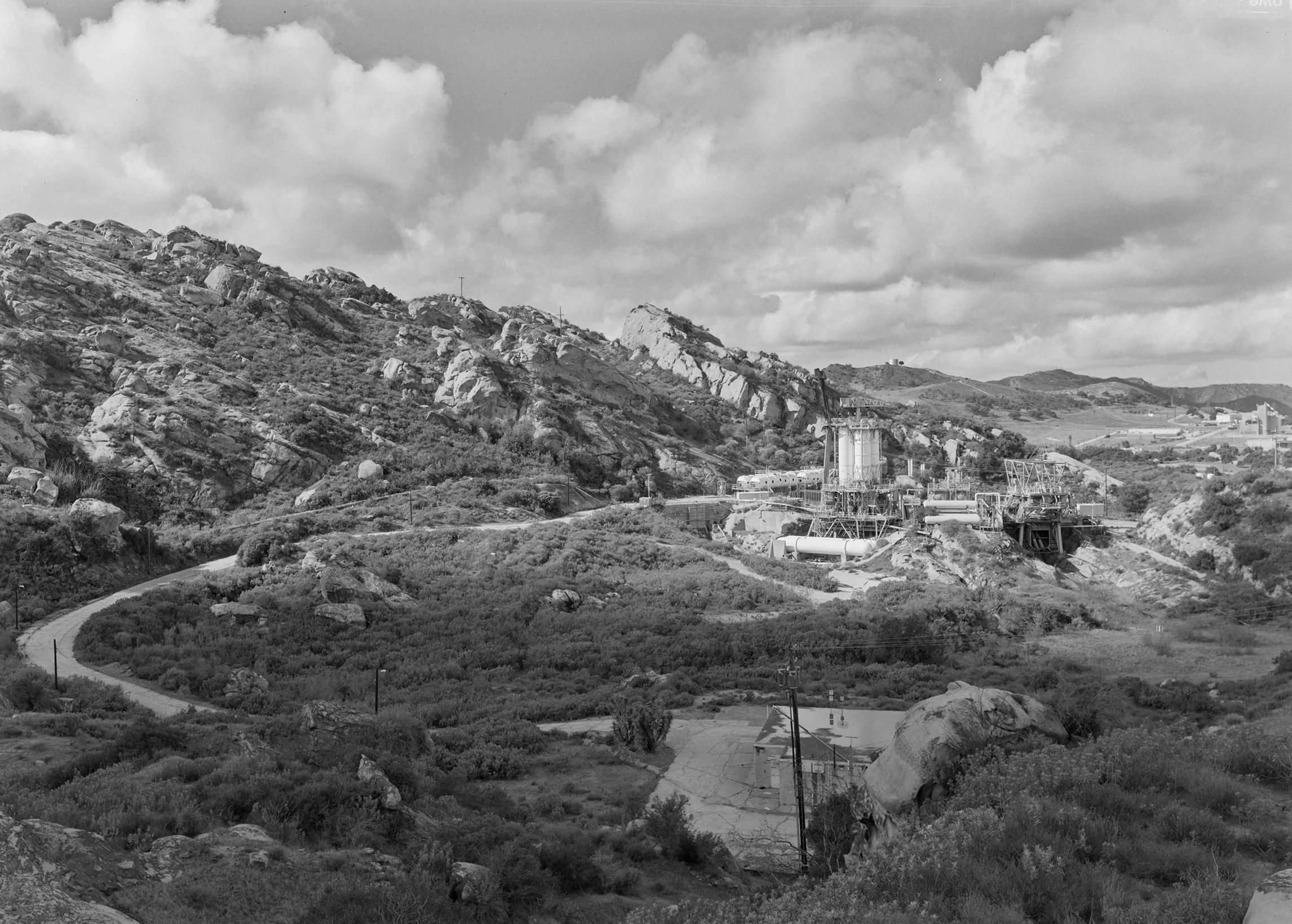
In 1959, a nuclear accident happened at the Santa Susana Field Laboratory when an experimental reactor called the Sodium Reactor Experiment overheated because it wasn’t cooling properly. About one-third of the reactor’s fuel melted in what’s known as a partial meltdown. There was no explosion, but radioactive gases were released into the air over several days. At the time, the public was not fully informed, and details were limited. The accident was said to be much smaller than later disasters like Chernobyl, but we now see communities affected by the radiation exposure with long-term environmental contamination.
After Boeing acquired much of the Santa Susana Field Laboratory property in the 1990s,
attention shifted to contamination from decades of rocket engine testing and industrial work. Investigations found polluted soil and groundwater containing chemicals such as solvents, heavy metals, and residual radioactive materials from earlier operations. Some environmental groups feel Boeing has yet to fulfill its promise to clean up the area to the standard that was promised.h 3 are considered an “incident,” while levels 4 through 7 are considered an “accident.”
The Woolsey Fire
Wildfire in radiologically contaminated zones is a global concern; contaminated areas around Chernobyl, Fukushima, Los Alamos, and the Nevada Nuclear Test Site have all experienced wildfires.
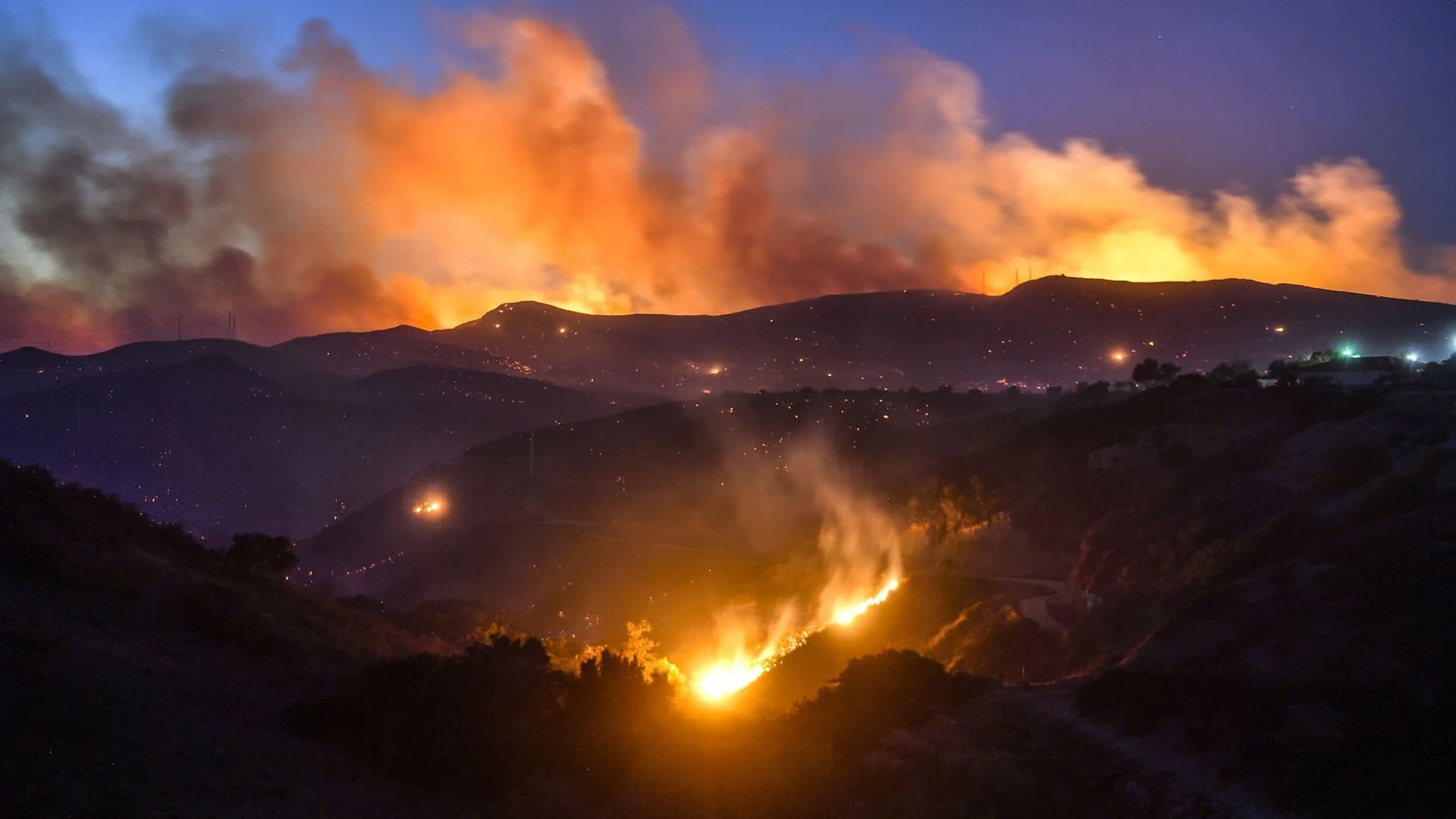
The 2018 Woolsey Fire was a large, deadly, and destructive wildfire in Los Angeles and Ventura counties, California. The fire ignited on November 8 and was not fully contained until November 21. The fire started in Woolsey Canyon on the Santa Susana Field Laboratory property. Many of the public and private parks and trails within the Santa Monica Mountains National Recreation Area were closed indefinitely from fire damage. Three hundred sixty samples of soil, dust and ash were collected in the immediate aftermath of the Los Angeles (CA, USA) Woolsey fire in 2018. While California Department of Toxic Substances Control, which is overseeing cleanup of the site, said in an interim report that "previously handled radioactive and hazardous materials were not affected by the fire, other studies found radioactive contamination from the partially-burned research facility was found in the fire zone. X-ray data showed that ashes from the fire could spread site contaminants to distant, but widely spaced, location.