

Aerospace Pollution
The High Desert (the Mojave and Antelope Valley regions, often called the Aerospace Valley) is primarily concentrated around major testing and manufacturing hubs like Palmdale, Lancaster, Edwards Air Force Base, and the Mojave Air and Space Port. Regulatory data shows that while local aerospace testing and manufacturing emit VOCs and reactive organic gases, a major portion of regional high desert smog and ozone is also blown in from the adjacent South Coast Air Basin. Before the military established the base in the 1940s, the Mojave Desert was an undisturbed, natural ecosystem.
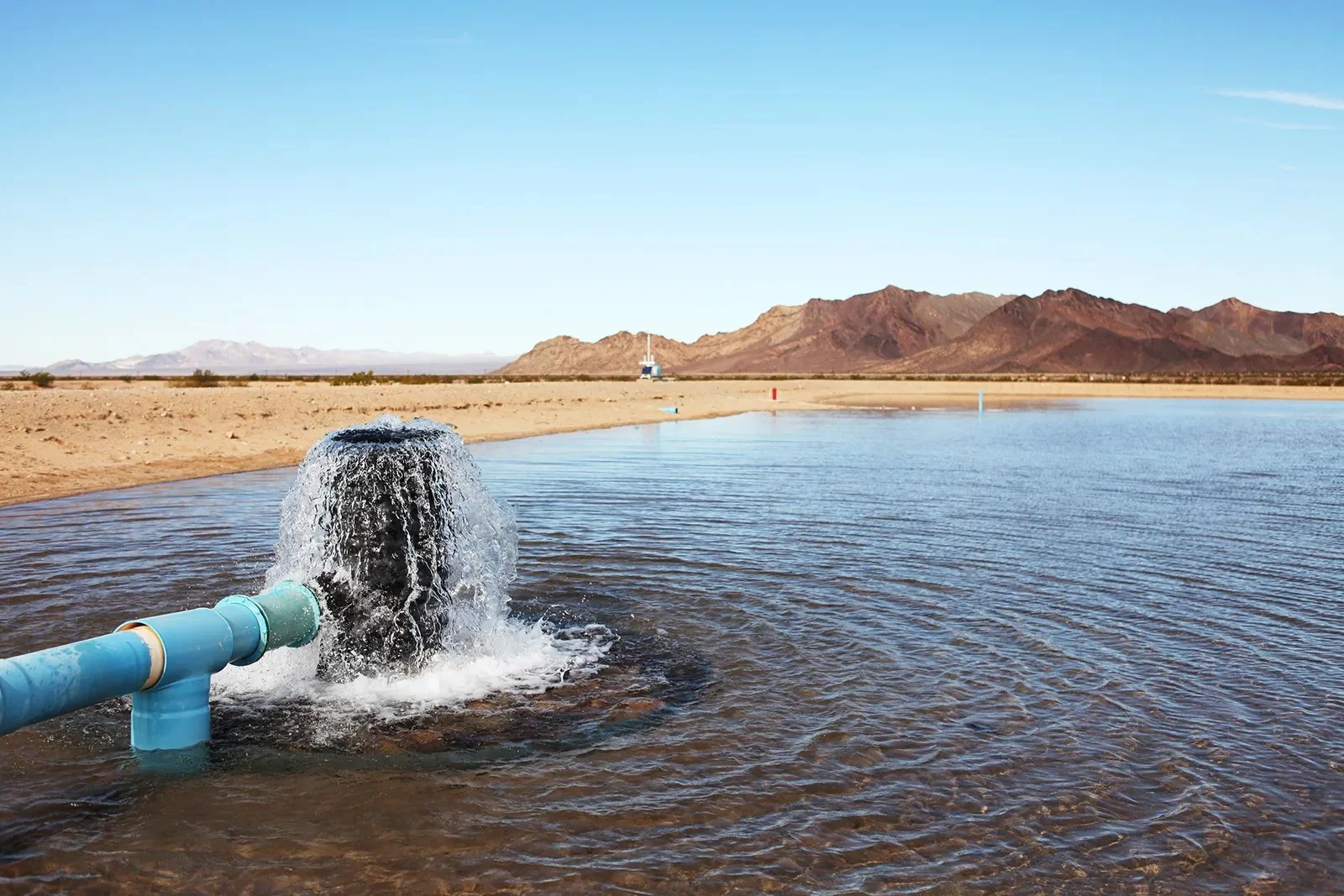
Pollution concerns at Fort Irwin in the Mojave Desert focus primarily on naturally occurring and military-related groundwater contaminants—such as arsenic, fluoride, and trace traces of solvents—along with localized desert dust and periodic poor air quality. While drinking water is said to meet EPA standards, but health advocates note that certain mineral and chemical levels exceed strict independent health guidelines. Large-scale heavy armor training maneuvers at the National Training Center generate massive clouds of particulate matter. Strong desert winds regularly carry this fine dust southward toward the Interstate 15 corridor, impacting regional air quality for residents and travelers.
The most toxic exposure pathway at Fort Irwin is inhaling aerosolized dust from imported depleted uranium (DU) weapons in the area.
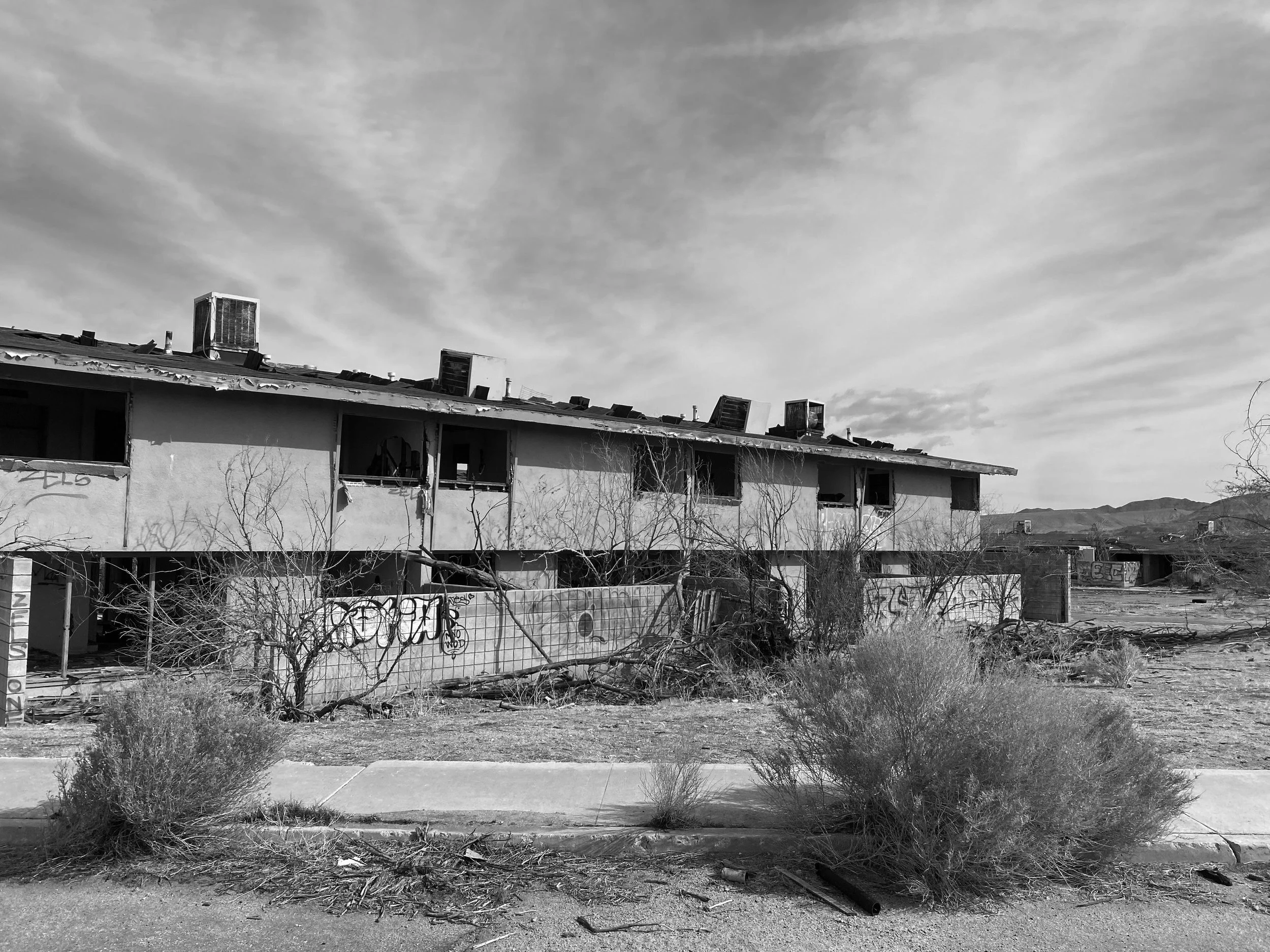
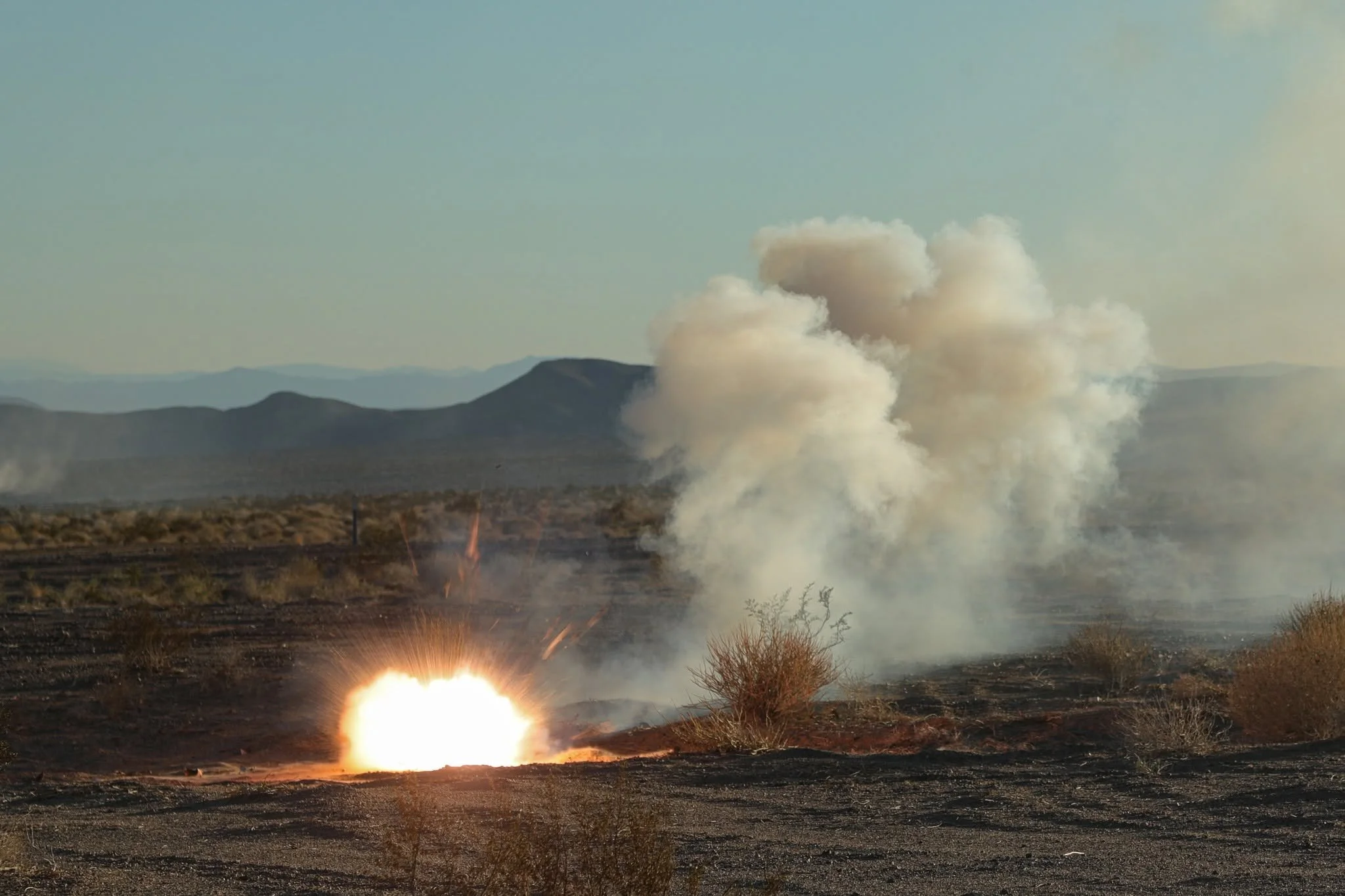
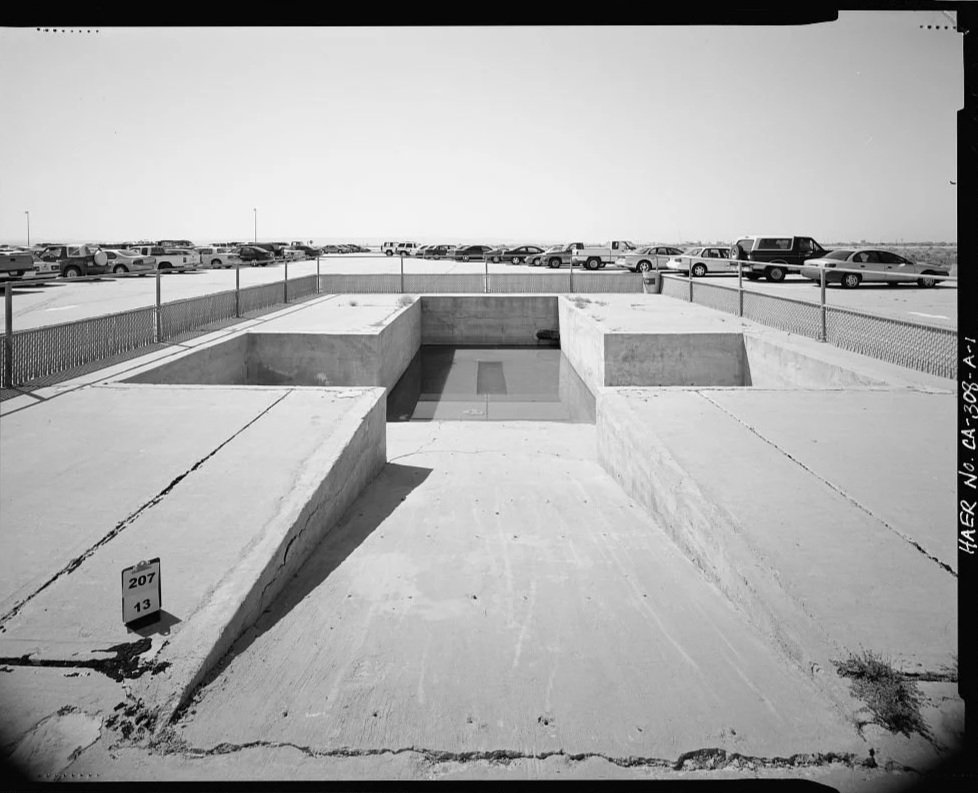
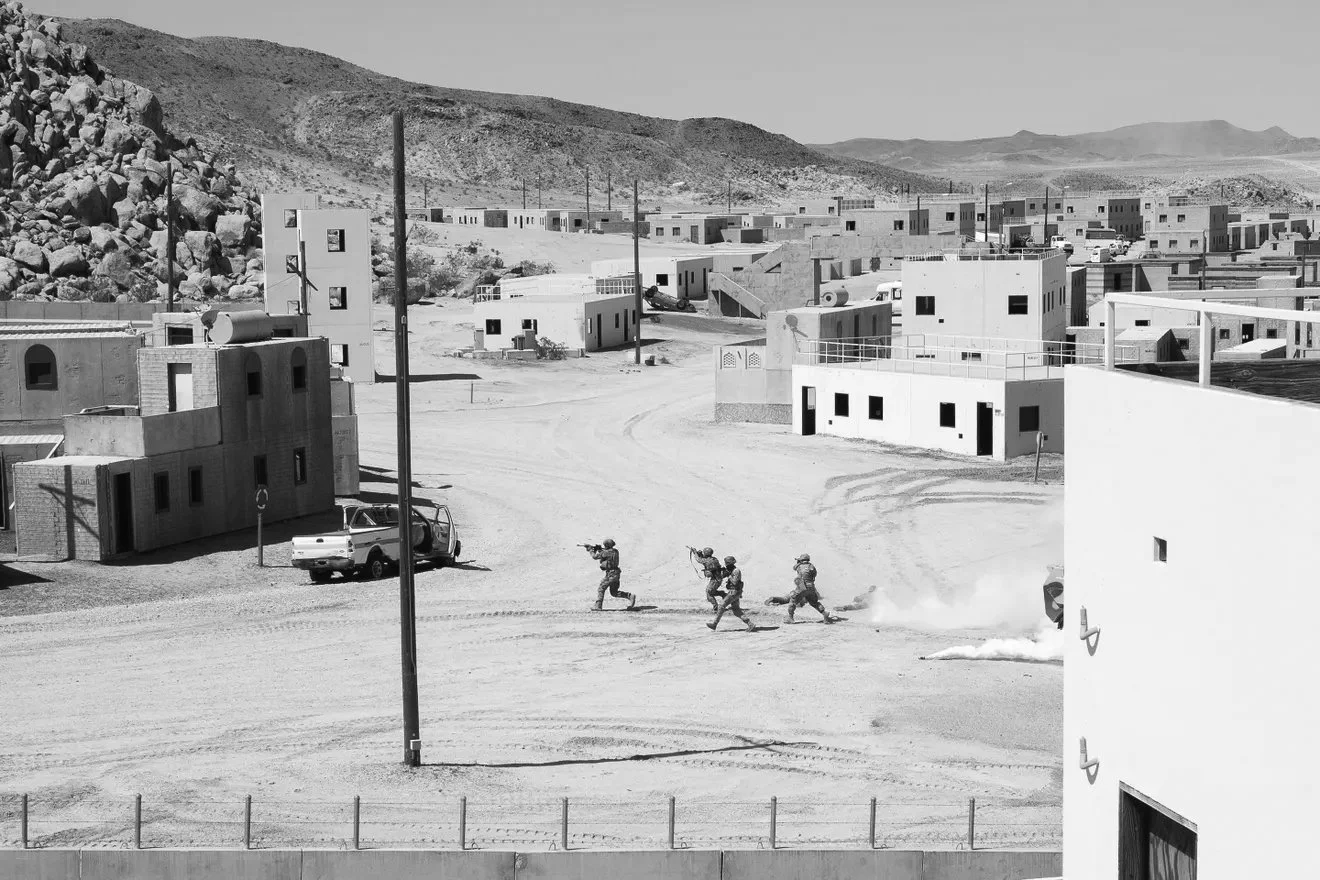
U.S. Army National Training Center in Ft. Irwin, Barstow, CA | Army Archives